The planned initial public offering (IPO) of Philippine digital wallet GCash could become a watershed moment for private equity exits in Southeast Asia, said Vishal Mahadevia, head of Asia Private Equity and global co-head of Financial Services at Warburg Pincus.
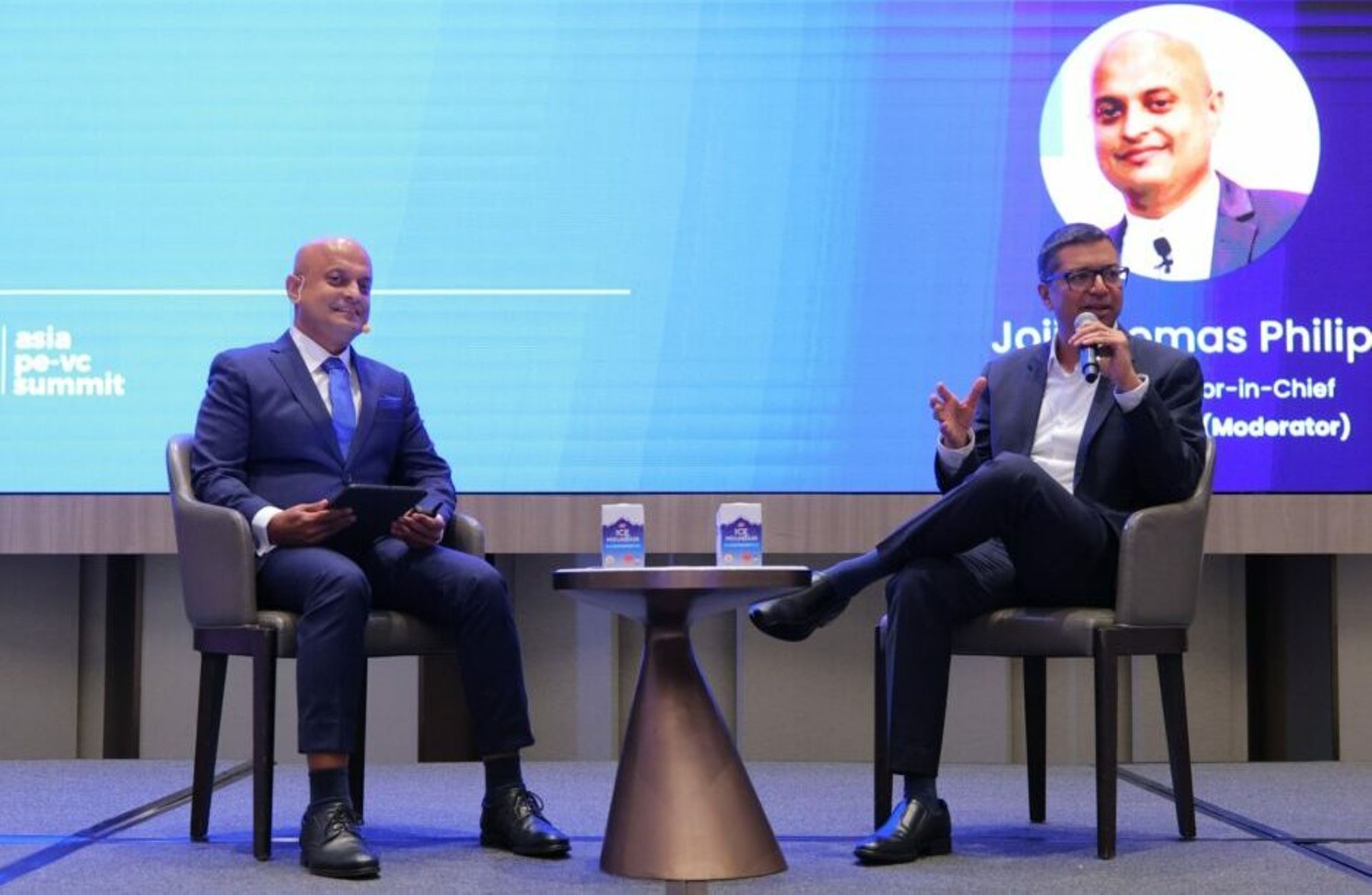
Speaking during the opening keynote chat session at the Asia PE-VC Summit in Singapore on Wednesday, Mahadevia said a successful GCash listing could help counter concerns over the availability of large-scale investment opportunities and exits in Southeast Asia.
“You get watershed moments like these, where people realize you can exit and you have scale,” he said.
Warburg Pincus invested in GCash around 2021, when the e-wallet had about 15 million monthly active users and was burning roughly $25 million a year, Mahadevia said.
Its monthly active user base has since roughly tripled, while transaction volumes have grown multiple times and EBITDA has reached about $400 million a year, he said.
“In five years, you’re not going to find that in many geographies in the world,” Mahadevia said, highlighting the potential for Asian companies to deliver rapid growth and profitability at scale.
The potential listing is gaining momentum. Mynt, GCash’s parent company, has received approval from the Philippine Stock Exchange to list up to 8.03 billion common shares, with the offering potentially raising as much as 92.3 billion pesos ($1.47 billion), according to Globe Telecom, one of Mynt’s major shareholders.
The Philippine Securities and Exchange Commission has also approved Mynt’s registration statement for an IPO of up to 66.9 billion common shares.
Mynt is the first Philippine company to use the SEC’s lower minimum public-float requirement for large issuers, with the regulator allowing an initial public float of 12%, down from the standard 15%.
The potential GCash listing comes as Southeast Asian private equity managers face a challenging fundraising environment and a difficult exit backdrop.
Mahadevia cited the difficulty of finding scale opportunities across fragmented markets, differences in political and macroeconomic conditions, and tough exits in recent years.
“Does it change Southeast Asia’s trajectory or not? I don’t know that,” he said. “But it’s a real watershed moment to show that there are large companies where you can find exits, where you have a public market to really create terrific returns back for investors.”
Mahadevia also pointed to Vietnam-based digital payments company MoMo, another Warburg Pincus-backed business, as a similar example.
MoMo had moved from being a “money-burning company” to a “tremendously profitable” business with triple-digit million-dollar EBITDA, he said.
The two companies demonstrate that country-level technology and financial services businesses can achieve significant scale despite Southeast Asia’s fragmented markets, Mahadevia said.