Index provider MSCI on Thursday raised further concerns about Indonesia’s investability, citing limited visibility in shareholdings and coordinated trading behaviour, in a fresh blow to the world’s worst-performing major stock market.
The warning comes ahead of MSCI’s decision next week on whether to downgrade Indonesia’s market classification to frontier status from emerging, a move that could trigger outflows worth as much as $13 billion.
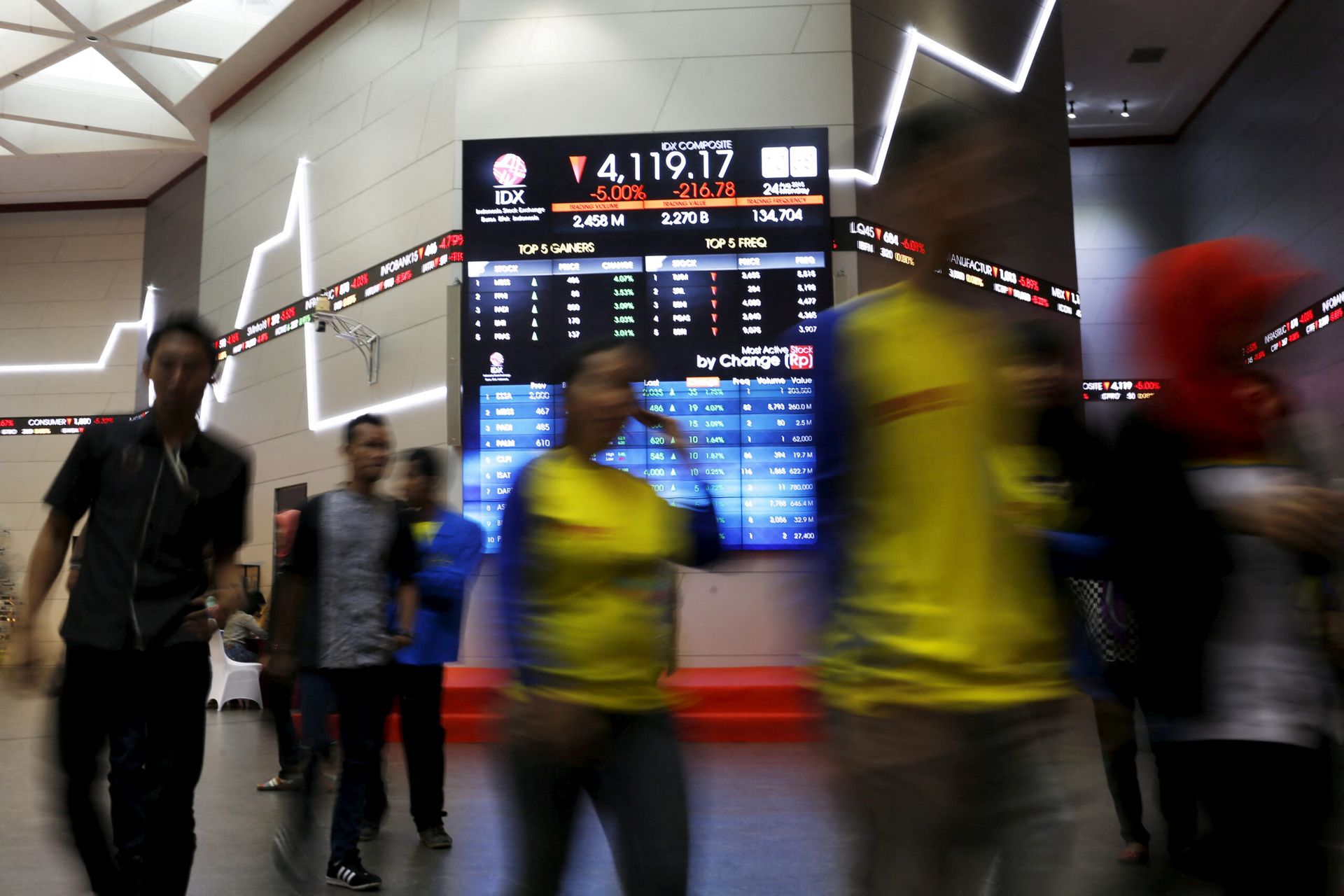
Indonesia’s capital markets have plunged since MSCI in January flagged transparency concerns and warned of a potential downgrade to frontier status.
In its market accessibility review released on Thursday, MSCI lowered Indonesia’s information flow criterion to negative, reflecting opacity in ownership data and market activity, which undermines proper price formation and constrains global investors’ ability to assess the true free float of companies.
The January warning spurred a slate of reform measures from authorities, including doubling the minimum free float for listed companies to 15% as the top executives of the exchange and regulatory body resigned in a single afternoon in January.
MSCI in April extended its review on Indonesian markets and in May removed six companies, most of which were tied to tycoons, from its indexes, leading to another sharp drop in stocks.
A downgrade by MSCI, one of the biggest providers of market indexes tracked by billions of dollars in passive investments, would force tracking funds to sell and pressure active managers benchmarked to MSCI indexes to lower exposure.
The MSCI scrutiny has exposed deeper anxieties about Indonesia under President Prabowo Subianto as his populist measures and fears over fiscal health have pushed the rupiah to record lows, spurring the central bank to hike interest rates in recent weeks to support the currency.
MSCI noted that Indonesia had no efficient offshore currency market while there are constraints on the onshore market.
Rating agencies Moody’s and Fitch cut their debt rating outlooks for Indonesia to negative earlier this year, citing reduced policymaking credibility as the $1.4 trillion economy, once a market darling, grapples with sinking investor confidence.
The benchmark Jakarta stocks index has slumped 29% this year, with foreign investors having sold about $3.65 billion worth of Indonesian stocks so far in 2026.
Reuters